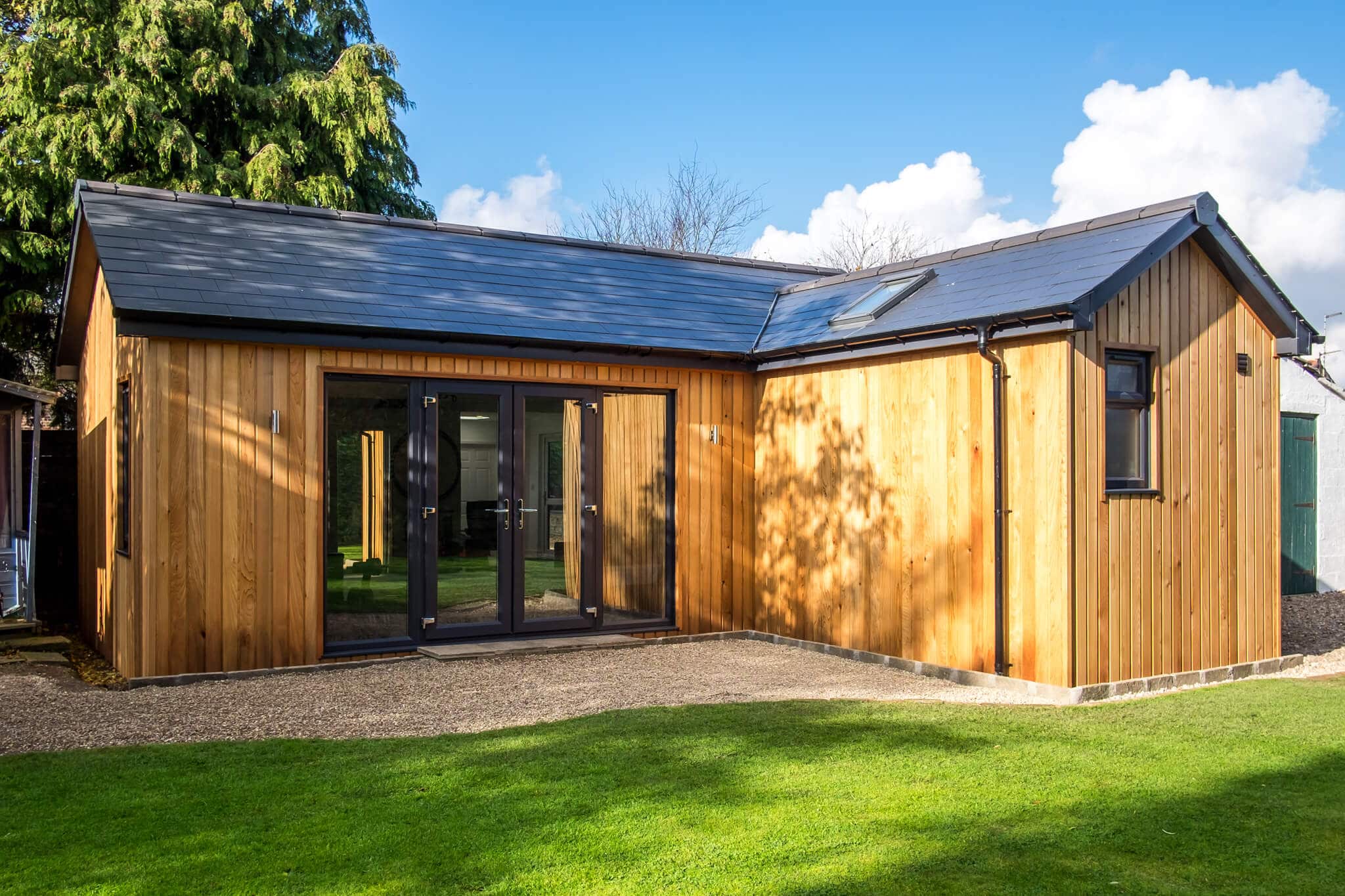
Ancillary accommodation and granny annexes have become increasingly popular solutions for families looking to accommodate additional family members or provide independent living spaces. But what exactly are they, and how do they differ from traditional living arrangements? In this article, we’ll dive into the details of ancillary accommodation and granny annexes, providing you with essential insights to better understand these living arrangements and make informed decisions.
What is Ancillary Accommodation?
Ancillary accommodation refers to any secondary living space attached to or associated with the primary dwelling on a property. These additional living spaces are designed to support the main house and cater to the needs of its residents. Ancillary accommodation can take various forms, such as granny annexes, guest houses, or extensions that serve as standalone living units while being connected to the main property.
What is a Granny Annexe?
A granny annexe, also known as a granny flat or a self-contained annex, is a separate living space built on the same property as the main house. It is intended to provide independent accommodation for elderly family members or young adults seeking privacy and autonomy while remaining close to their relatives. Granny annexes come in different sizes and configurations, typically equipped with their own kitchen, bathroom, and living area.
Differences Between Ancillary Accommodation and Granny Annexes
While ancillary accommodation and granny annexes share similarities, there are distinct differences between the two:
- Function: Ancillary accommodation is a broader term that encompasses all secondary living spaces connected to the main dwelling, including guest houses and extensions. On the other hand, granny annexes specifically refer to self-contained living units designed for elderly family members or independent young adults.
- Independence: Granny annexes are fully self-contained living spaces, complete with their own facilities, offering a high level of independence. Ancillary accommodation, on the other hand, may have varying degrees of independence, depending on its design and purpose.
- Residents: Granny annexes are primarily intended for elderly family members or young adults, while ancillary accommodation can cater to guests, extended family, or even be used as rental properties.
Planning Considerations for Granny Annexes
Building a granny annexe requires careful planning and consideration of various factors, including:
- Local Planning Regulations: Before starting any construction, familiarise yourself with local planning regulations and obtain the necessary permits and approvals. Different regions may have specific requirements for annexes and ancillary accommodation.
- Design and Layout: Ensure that the design and layout of the granny annexe align with the existing property’s aesthetics and functionality. A well-designed annexe will complement the main house while providing a comfortable living space.
- Access and Privacy: Consider the location of the annexe on the property to ensure easy access while maintaining the privacy of both the main household and the annexe residents.
- Utilities and Services: Determine the utility connections and services needed for the granny annexe, including water, electricity, and heating. It should have independent utility supplies or properly metered shared services.
- Safety and Accessibility: Ensure the annexe is designed with safety and accessibility in mind, especially if it is intended for elderly residents or individuals with mobility challenges.
Advantages of Ancillary Accommodation and Granny Annexes
- Multigenerational Living: Ancillary accommodation and granny annexes facilitate multigenerational living, allowing families to stay together while maintaining individual living spaces.
- Increased Property Value: Well-designed and fully self-contained annexes can increase the overall value of the property, making it an attractive option for future buyers or tenants.
- Supporting Independence: Granny annexes provide elderly family members or young adults with their own living space, fostering independence while being close to loved ones.
- Rental Income: Ancillary accommodation can generate rental income if used as a guest house or a rental property, providing an additional source of revenue for homeowners.
- Flexible Use: Ancillary accommodation can serve multiple purposes, from accommodating guests to providing a home office or studio space.
FAQ’s
Q: Can I Rent Out a Granny Annexe?
A: Yes, you can rent out a granny annexe if it complies with local regulations and planning permissions. However, renting it out may impact its council tax status.
Q: Do Granny Annexes Increase Property Value?
A: Well-designed and fully self-contained granny annexes can add value to your property, especially if they are built to a high standard.
Q: Can I Use an Ancillary Accommodation as a Guest House?
A: Yes, ancillary accommodation can serve as a guest house, providing comfortable accommodation for visitors or guests.
Q: Do I Need Planning Permission for an Ancillary Accommodation?
A: The need for planning permission varies depending on the size and use of the ancillary accommodation. It’s best to check with your local council for specific requirements.
Q: Can Ancillary Accommodation be Used as a Home Office?
A: Yes, ancillary accommodation can be utilised as a home office or a studio space, providing a dedicated area for work or creative activities.
Q: What Is the Difference Between an Extension and a Granny Annexe?
A: Extensions are additional spaces integrated into the main house, whereas granny annexes are separate self-contained living spaces on the same property.
Conclusion
Understanding ancillary accommodation and granny annexes is essential for homeowners considering these living arrangements. Ancillary accommodation includes various secondary living spaces, with granny annexes being a specific type designed for independent living. When planning to build a granny annexe, it’s crucial to consider local regulations, design, accessibility, and utilities to create a comfortable and compliant living space. The advantages of ancillary accommodation and granny annexes make them attractive options for multigenerational living, rental income, and flexible use.
Whether you’re accommodating elderly family members, providing guest quarters, or exploring rental opportunities, ancillary accommodation and granny annexes offer versatile solutions for modern living.