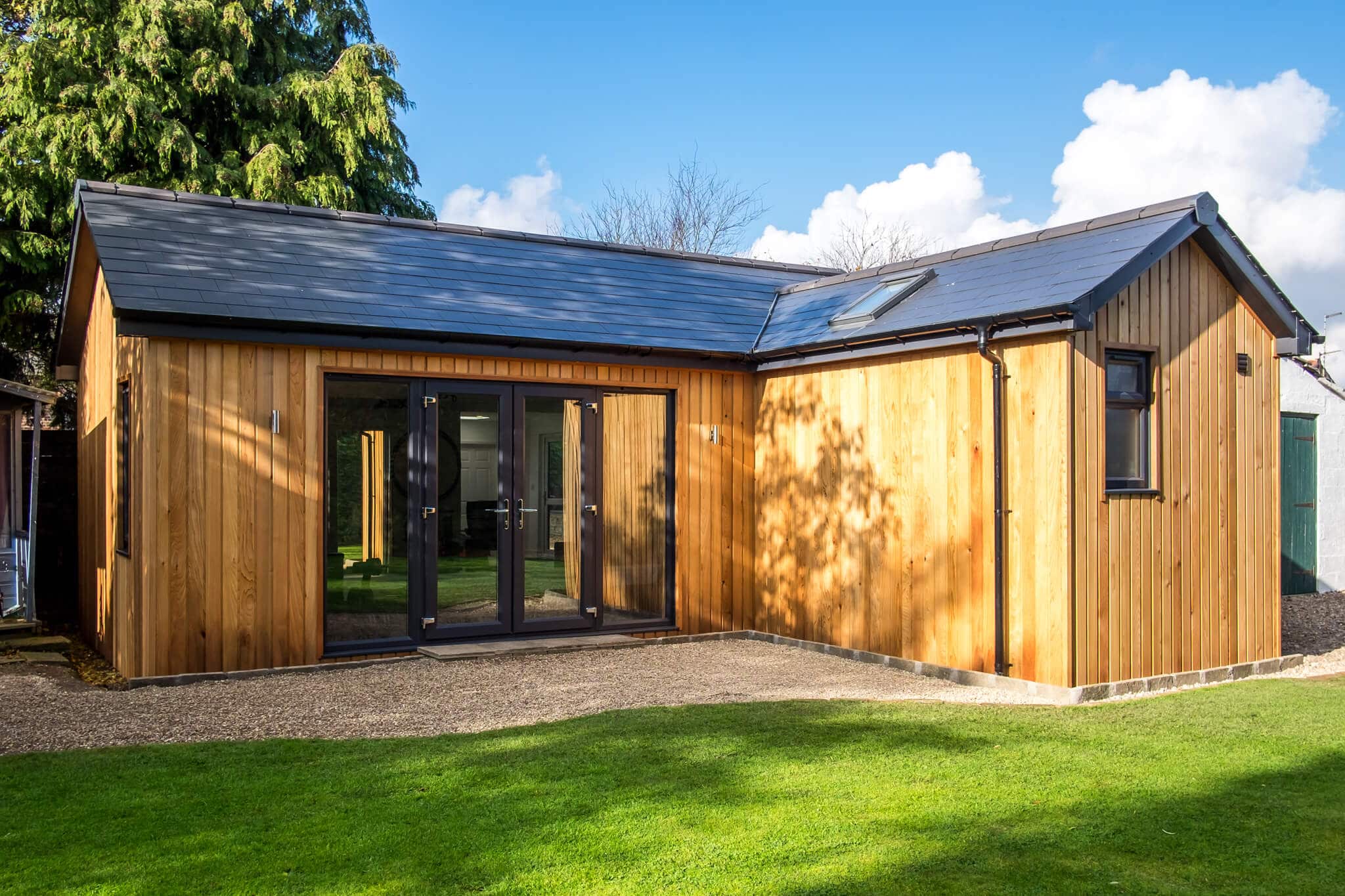
Garden rooms have become increasingly popular in the UK, serving as peaceful home offices, hobby spaces, or relaxing retreats away from the main house. However, as with any enclosed space, managing condensation is crucial to maintaining a comfortable and healthy environment. Left unchecked, condensation can lead to damp, mould, and even structural issues over time.
In this post, we’ll explore what causes condensation, how to prevent it, and why it’s important to tackle it early ensuring your garden room stays dry and enjoyable all year round.
What Is Condensation and Why Does It Occur?
Condensation happens when warm, moist air comes into contact with a cooler surface, such as a window, wall, or ceiling. The moisture in the air then turns into water droplets on these cold surfaces. In a garden room, especially one used regularly, everyday activities like working on a laptop, breathing, boiling the kettle, or using a heater can increase the moisture in the air.
Unlike your main home, a garden room might not have the same level of insulation or ventilation unless specifically designed for it. This makes them more susceptible to condensation if proper precautions aren’t taken.
Signs of Condensation in a Garden Room
It’s important to recognise the early signs of condensation before they become bigger problems. Here are some indicators to watch for:
- Water droplets on windows or cold surfaces
- A musty smell or damp feeling in the air
- Mould or mildew developing on walls, ceilings, or furnishings
- Peeling paint or wallpaper
- Damp patches on walls or floors
How to Prevent Condensation in Your Garden Room
Improve Ventilation
Good airflow is the first and most important step in preventing condensation. Here’s how you can achieve it:
- Install trickle vents in windows and doors to allow a continuous flow of fresh air.
- Use extractor fans if your garden room has a kitchenette or bathroom area.
- Open windows and doors for short periods to allow moist air to escape and fresh air to circulate, especially after using a heater or boiling the kettle.
Control Indoor Humidity
Reducing the amount of moisture in the air will significantly reduce the risk of condensation:
- Avoid drying clothes in your garden room, as this releases a lot of moisture into the air.
- Use a dehumidifier to actively remove excess moisture, particularly in the colder months.
- Seal water sources, such as leaky taps or poorly fitted kettles.
Upgrade Insulation
Proper insulation helps regulate the temperature inside your garden room, reducing the chance of cold surfaces forming where condensation can develop:
- Insulate the walls, roof, and floor using high-quality materials.
- Double-glazed windows help maintain a consistent internal temperature and reduce cold spots.
- Thermal blinds or curtains can also help retain warmth and prevent condensation on windows.
Use Efficient Heating
Heating your garden room steadily rather than in bursts helps maintain a constant internal temperature, reducing the likelihood of condensation:
- Install a thermostat-controlled heater or infrared heating panels.
- Avoid portable gas heaters, as they produce a large amount of moisture.
- Consider underfloor heating for an even distribution of warmth without taking up wall space.
Maintain Your Garden Room
Regular maintenance can prevent small issues from becoming bigger ones:
- Check seals on windows and doors for any signs of wear and replace them if needed.
- Clean vents and fans to ensure proper airflow is maintained.
- Inspect for mould regularly, especially in corners and behind furniture.
The Importance of Professional Design and Build
Choosing a professionally designed and built garden room means many of these considerations ventilation, insulation, and heating will be addressed from the start. Reputable companies use high-quality materials and techniques to ensure your garden room is comfortable, energy-efficient, and moisture-resistant.
At the planning stage, factors like the position of the garden room, the direction it faces, and how it will be used all influence how condensation is managed. That’s why working with experts can save you hassle and money down the line.
Final Thoughts
Preventing condensation in your garden room is all about balancing ventilation, heating, and insulation. Whether you use your garden room as a home office, art studio, or a cosy place to unwind, keeping it dry and comfortable will ensure it remains a valued part of your home for years to come.
By taking proactive steps and choosing high-quality construction, you can enjoy your garden room in all seasons without the worry of damp or mould creeping in.
Looking for a Garden Room That’s Built to Last?
We design and build fully insulated, weatherproof garden rooms tailored to your lifestyle and needs. Our expert team ensures every detail is considered from ventilation to heating to keep your space warm, dry, and condensation-free.
Contact us today to discuss your dream garden room and get a free, no-obligation quote. Let’s create a space you’ll love to spend time in, whatever the weather.