With house prices steadily rising and homeowners looking for smarter ways to maximise space and improve lifestyle, adding more room to your property is a priority. But the big question remains: should you invest in a garden room or a traditional home extension?
Both options offer more space, greater functionality and potential financial returns but each comes with its own benefits and considerations. In this blog, we explore which of these popular home upgrades truly adds more value.
What Are Garden Rooms?
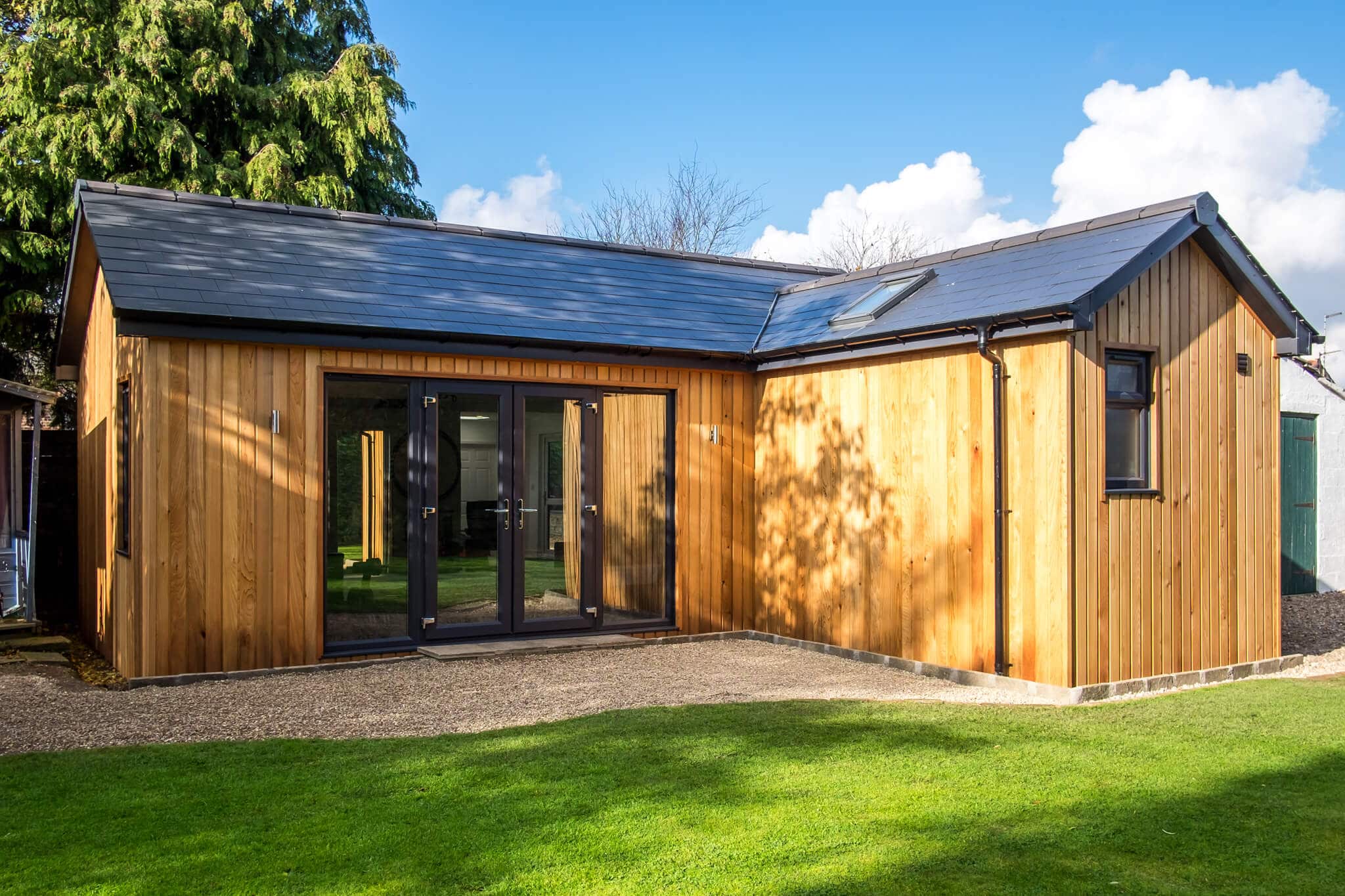
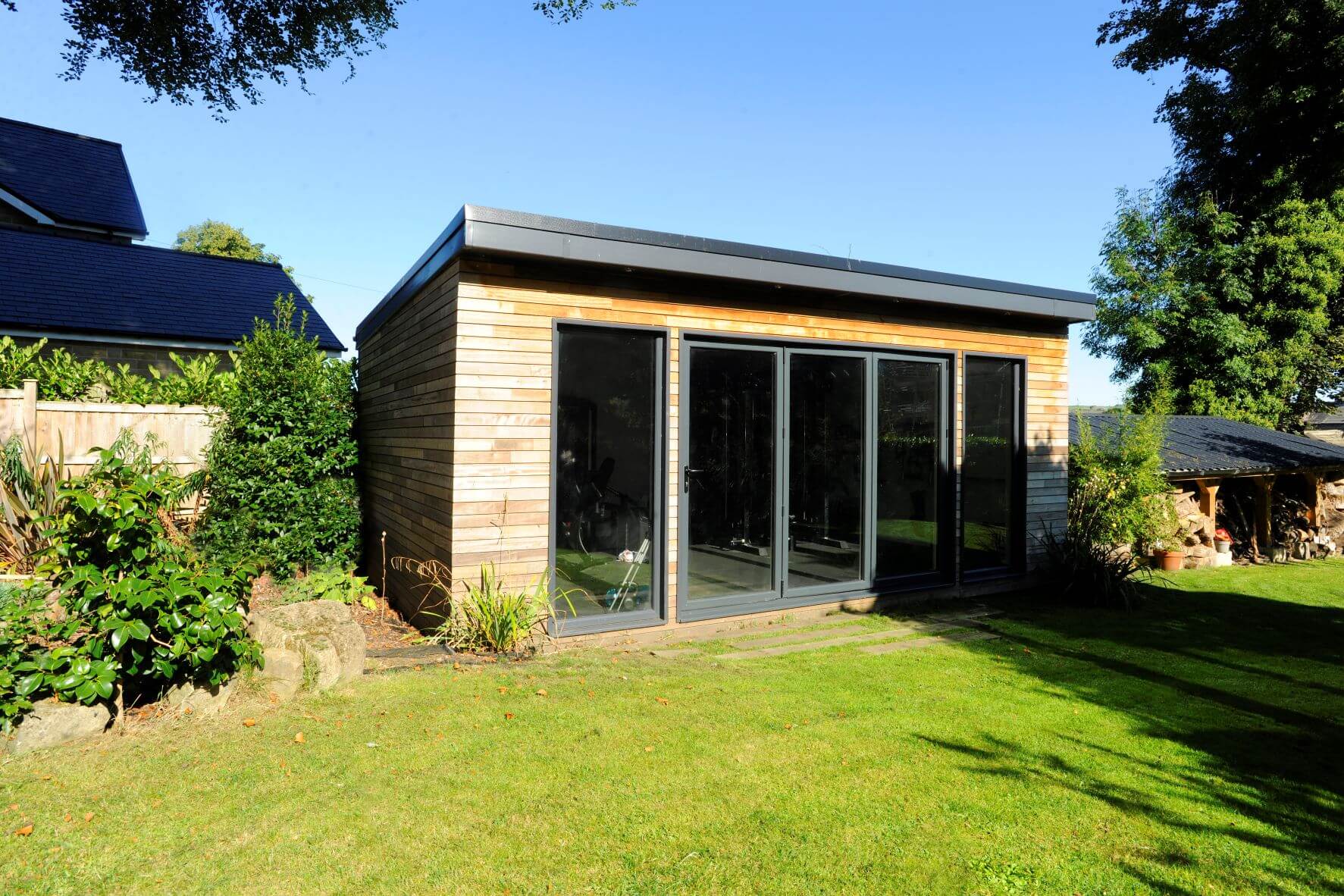
Garden rooms are stand-alone buildings constructed in your outdoor space, typically separate from your main house. They’re insulated, weatherproofed, and can be used for a wide range of purposes home offices, gyms, studios, or guest accommodation.
They are generally quicker to build, more cost-effective, and increasingly stylish. As more people look for flexible living spaces that blend nature and comfort, garden rooms have become a top choice.
What Is a Home Extension?
A home extension involves adding extra space to your existing home, usually by extending outwards or upwards. This could be a kitchen extension, extra bedroom, loft conversion, or a larger open-plan living area.
While more expensive and often time-consuming, extensions are part of your main structure and can increase your house’s square footage permanently.
Cost Comparison
One of the biggest differences between garden rooms and home extensions is cost.
- Garden Rooms: Typically range from £15,000 to £40,000 depending on size, design and finishes.
- Home Extensions: Start at around £30,000 and can easily exceed £100,000 for larger, multi-room builds.
For homeowners on a budget, garden rooms offer a more affordable way to increase usable space without the financial strain of a full-blown extension.
Planning Permission and Installation
Planning and installation can significantly impact the value and appeal of your home upgrade.
- Garden Rooms: Often fall under permitted development rights, which means no formal planning permission is needed provided they meet certain size and placement criteria. Installation usually takes 2–4 weeks.
- Home Extensions: Usually require planning permission or building regulations approval. The process can be lengthy, with builds taking several months and involving more disruption to your daily life.
From a convenience standpoint, garden rooms come out ahead less paperwork, less mess, and faster results.
Flexibility of Use
Value isn’t just about money, it’s also about how useful a space is to your everyday life.
- Garden Rooms: Ideal for creating dedicated, quiet spaces away from the main house. Perfect for remote work, hobbies, wellness or guest stays.
- Home Extensions: Often add living space that integrates with the rest of the home, such as expanding a kitchen or adding a bedroom, which may be better for growing families.
Garden rooms offer greater versatility when it comes to repurposing or adapting the space over time.
Property Value: What the Experts Say
So, which option adds more to your property value?
- Garden Rooms: According to UK estate agents, a high-quality garden room can add between 5–15% to your property’s value, depending on design and functionality. It’s particularly attractive to buyers looking for a home office or a private retreat.
- Home Extensions: Traditionally add 10–20%, especially when they increase the number of bedrooms or expand key living spaces like the kitchen.
However, cost-to-value ratio matters. A £30,000 garden room that adds 10% to a £400,000 property may be a better investment than a £90,000 extension that adds 15%.
Energy Efficiency and Sustainability
Modern garden rooms are often built with sustainable materials and designed to be energy-efficient, with features like:
- Timber cladding
- Triple glazing
- Eco insulation
- Solar panel options
Extensions can also be energy efficient, but this depends heavily on your builder and materials. From an environmental and ongoing cost perspective, garden rooms may edge out in 2025 due to their lower carbon footprint and running costs.
Disruption and Lifestyle Impact
It’s also worth considering the impact on your lifestyle during the build.
- Garden Rooms: Built separately, causing minimal disturbance to your home and family life.
- Home Extensions: Can be disruptive, especially if plumbing or electrics are involved, or if it requires internal demolition.
If you’re working from home or have young children, the low-disruption nature of garden rooms can be a major advantage.
Conclusion: Which Should You Choose?
Ultimately, the choice depends on your goals, budget and lifestyle. If you’re seeking:
- A fast, affordable, and stylish way to add space
- A dedicated work or leisure area
- Minimal disruption during installation
A garden room is the clear winner.
If, however, you need:
- A larger integrated living area
- More bedrooms or bathrooms
- To increase long-term square footage
A home extension might be the better investment.
Both can add value, garden rooms offer an unbeatable blend of function, speed, flexibility and design. Interested in Adding Value with a Garden Room?
If you’re considering a space upgrade this year, don’t overlook the value of a garden room. Whether for work, wellness or just more breathing space, we’re here to help you design a solution that fits your lifestyle and adds real value to your home.
Contact us today for a free consultation.