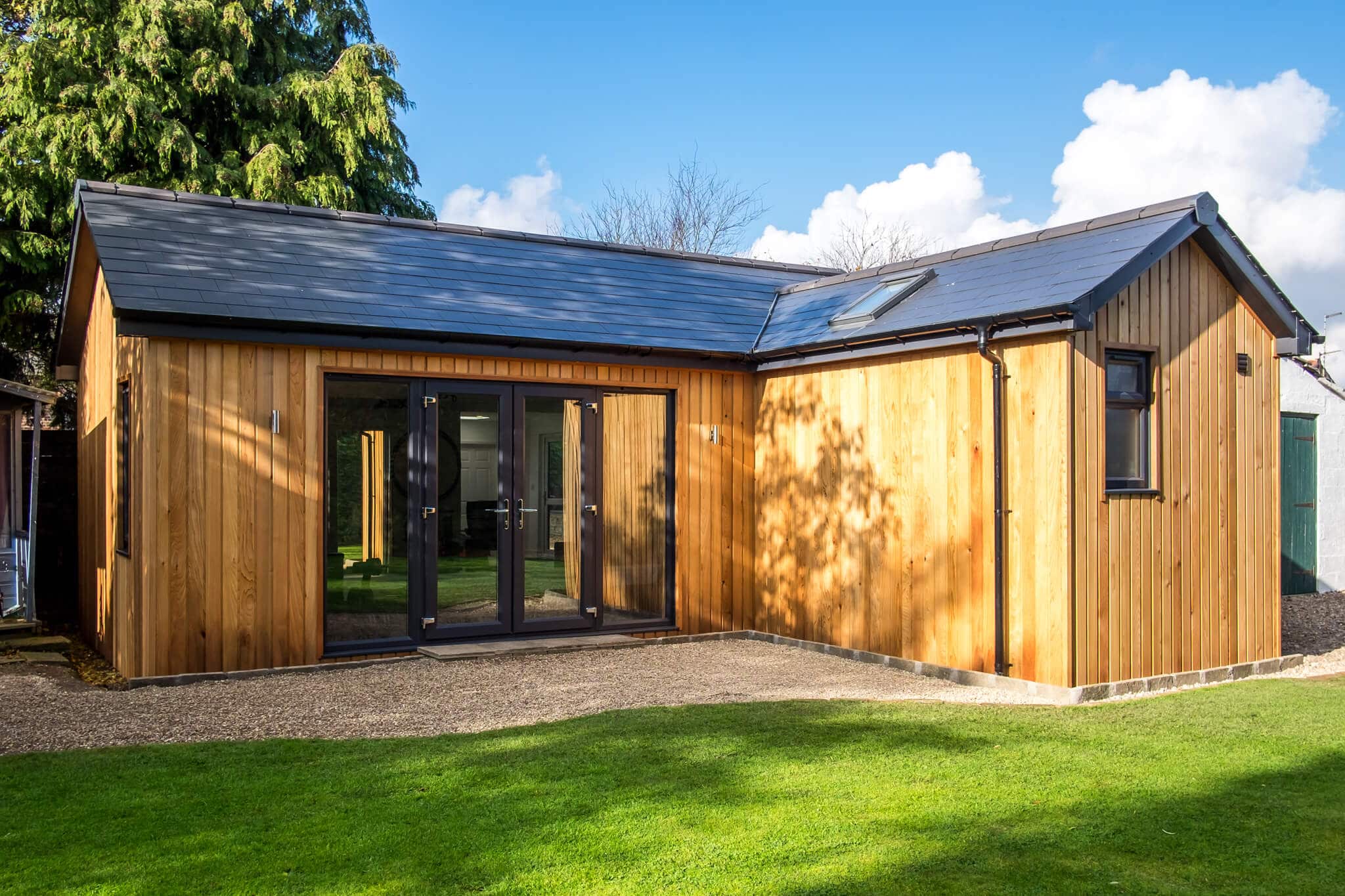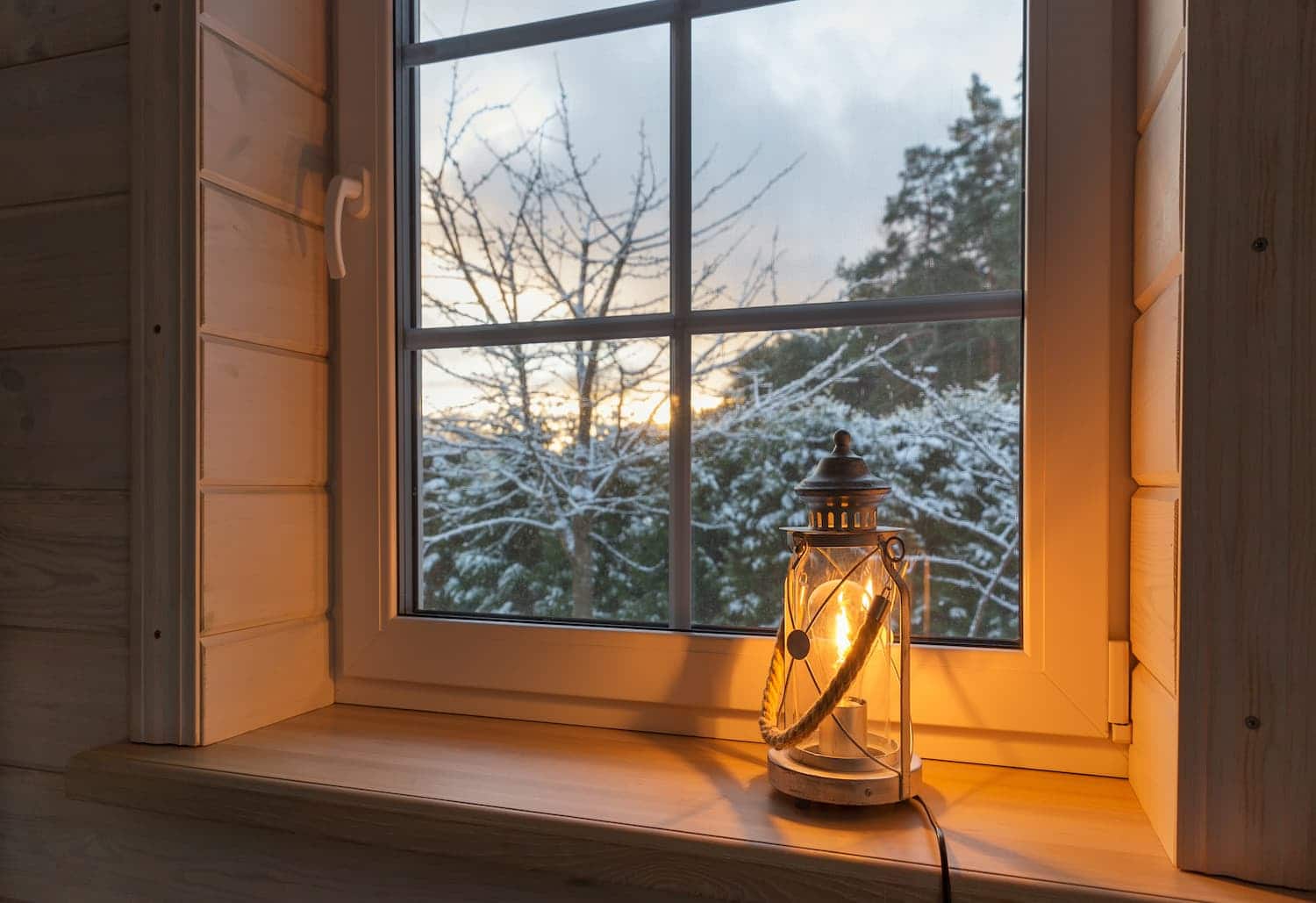
Garden rooms make a lovely place to retreat in the warmer months. You can enjoy nature, relax, or even work in the garden room in the summer. But what about winter? Can a garden room be used in the winter?
This is a common question many people ask about garden rooms. However, there are some things to consider for using a garden room in the colder months.
Year-Round Use or Not?
The fact is that not all garden rooms are equipped to face harsh wintertime temperatures. When cheap materials are used, the room is hard to keep warm with little to no insulation. What’s more, this type of garden room can be damp and draughty, making them uncomfortable for year-round use.
A garden room built only for the warmer months turns out not to be a good investment. However, the truth is that garden rooms can be made to withstand winter temperatures.
Comfort Year-Round
Garden rooms can be made comfortable all year round. They can be as comfortable as your home! A space of this kind requires insulation to keep the room warm in the winter.
In addition, premium-quality building materials are used. These are the same materials used in modern homes. Using these materials results in a warm, dry, comfortable environment inside the garden room.
What’s more, it’s also possible to heat a garden room and stay comfortable in the coldest temperatures.
How to Keep a Garden Room Warm?
Because garden rooms are not attached to your home, you may be concerned it’s not possible to heat the space efficiently in the winter.
However, it is possible to keep the garden room warm in the following ways:
Premium Insulation Used Throughout
A garden room needs to be built with premium insulation used throughout. It’s necessary to ensure the walls, roof, and floors of a garden building use layers of insulation to create a warm space.
The roof and floor of a garden room should use thick foam insulation between composite layers, which creates a strong barrier against the winter weather. The floors also need to be raised off the ground with concrete foundations. This type of foundation works to keep dampness out of the garden room.
Next, the wall needs to be built with a combination of natural and man-made materials. These offer better thermal quality, breathability, and fireproofing.
What about the windows and doors in the garden room? Here, it’s essential to use double-glazed glass to increase the thermal efficiency of the space.
Heating is Included as Standard
Most customers are happy to learn that heating is usually included as standard for garden rooms. Different types of heating can be used for a garden room, including:
- Free-standing radiator
- Electric underfloor heating
- Woodburning stove
- Solar heat
- Halogen heater
- Electric fan heaters
- Bottled gas heating
- Oil-filled radiators
- Electric stove
- Infrared heating
When combined with premium insulation materials, these methods will keep the garden nice and toasty in the winter months. In addition, these heating methods also use an installed thermostat. This means you have complete control of the temperature in the garden room. Some suppliers even include a remote control, which allows you to monitor the garden room’s temperature when you’re in the house.
It’s easy and economical to heat your garden room!
What to Consider When Heating a Garden Room?
There are several things to consider when heating your garden room:
Size
The size of your garden room matters when it comes to climate control. The larger the building, the more energy is needed to heat it. However, a smaller garden room is more cost-effective. Even so, no matter what size garden room you’d like, it’s possible to ensure it stays warm and cosy throughout the winter months.
Year-Round Insulation
Garden buildings designed for year-round use also require the right type of insulation. Insulation needs to keep you cool in summer and warm in winter.
If you’d like to use a garden room year-round, premium-quality insulation is required. What’s more, it’s necessary to install heating in the winter months. You may want to consider adding a fan or air conditioning to the space for the summer months.
These are important considerations if you’d like to use the garden room all year round.
Use of the Garden Room
Next, it’s essential to consider how the garden room will be used. If you plan only to use the garden room in the spring and summer, then you may not need as much insulation.
However, if the garden building is used as an office, a guest room, hobby room, and more, it’s necessary to have the proper insulation and heating (and possibly cooling) system.
Will the Garden Room Have Plumbing?
Another consideration is whether the garden room is equipped with plumbing. For example, some garden rooms are fitted out with an integrated shower and WC, as well as a kitchenette. In that case, the building will require insulation.
The danger is that the garden room plumbing could freeze in frigid temperatures. If that should happen, expect to wake up to burst pipes some morning!
With the right insulation materials, it’s possible to ensure the plumbing is safe from damage in extremely cold weather.
What to Look for in an Insulated Garden Room?
We’ve already touched on the need for high-quality insulation and glazed doors and windows. However, what other things should you look for in an insulated garden room?
Roof
The roof should be made with an EPDM rubber membrane, which helps make the building more energy efficient. In addition, the membranes reduce heat loss and maintain the temperature within the room.
Compare Designs
It’s also necessary to compare designs and buy the best-insulated garden room you can afford. The builder can provide you with a specification fact sheet on insulation suppliers.
The u-value measures insulation performance. The u-value is the rate at which heat passes through the material. What’s more, it’s not only the insulation that has a u-value. Other materials used in constructing the space also have their own u-value.
The key here is to find a garden room design that provides an excellent overall u-value for each part of the space (roof, wall, floor, and more).
It can also be helpful to compare builders’ garden room designs for their u-value. This way, you can buy the building that offers the best performance for your budget.
Summing It Up
Garden rooms can be a nice, cosy place to use in the winter months! First, however, it’s necessary to ensure that the insulation, windows & doors, and heating combine for an excellent u-value.
Check with your builder to see their year-round garden plans. Choose the one that will keep you warm on a budget you can afford. You’ll stay nice and snug all winter and comfortable in the summer!