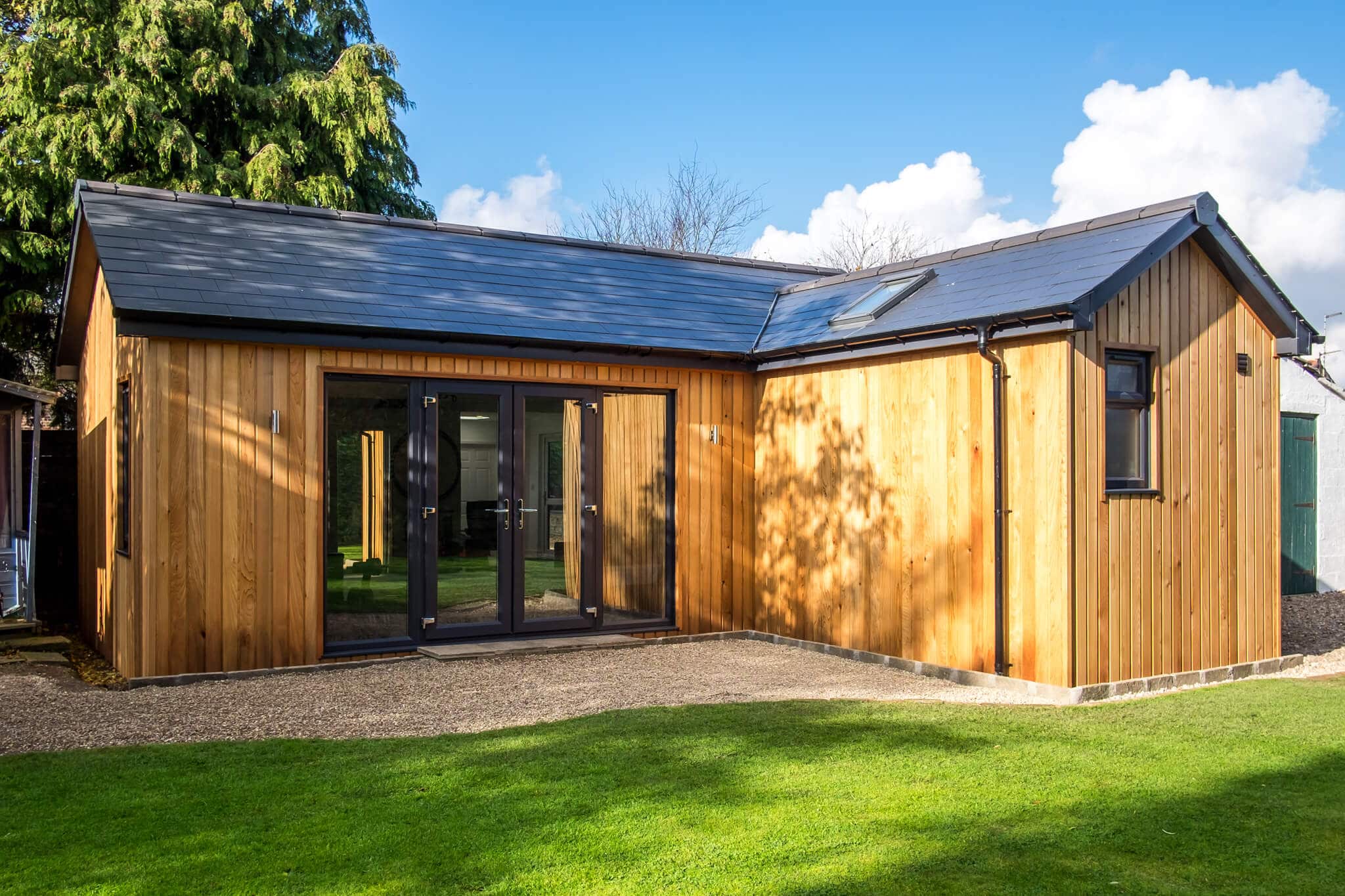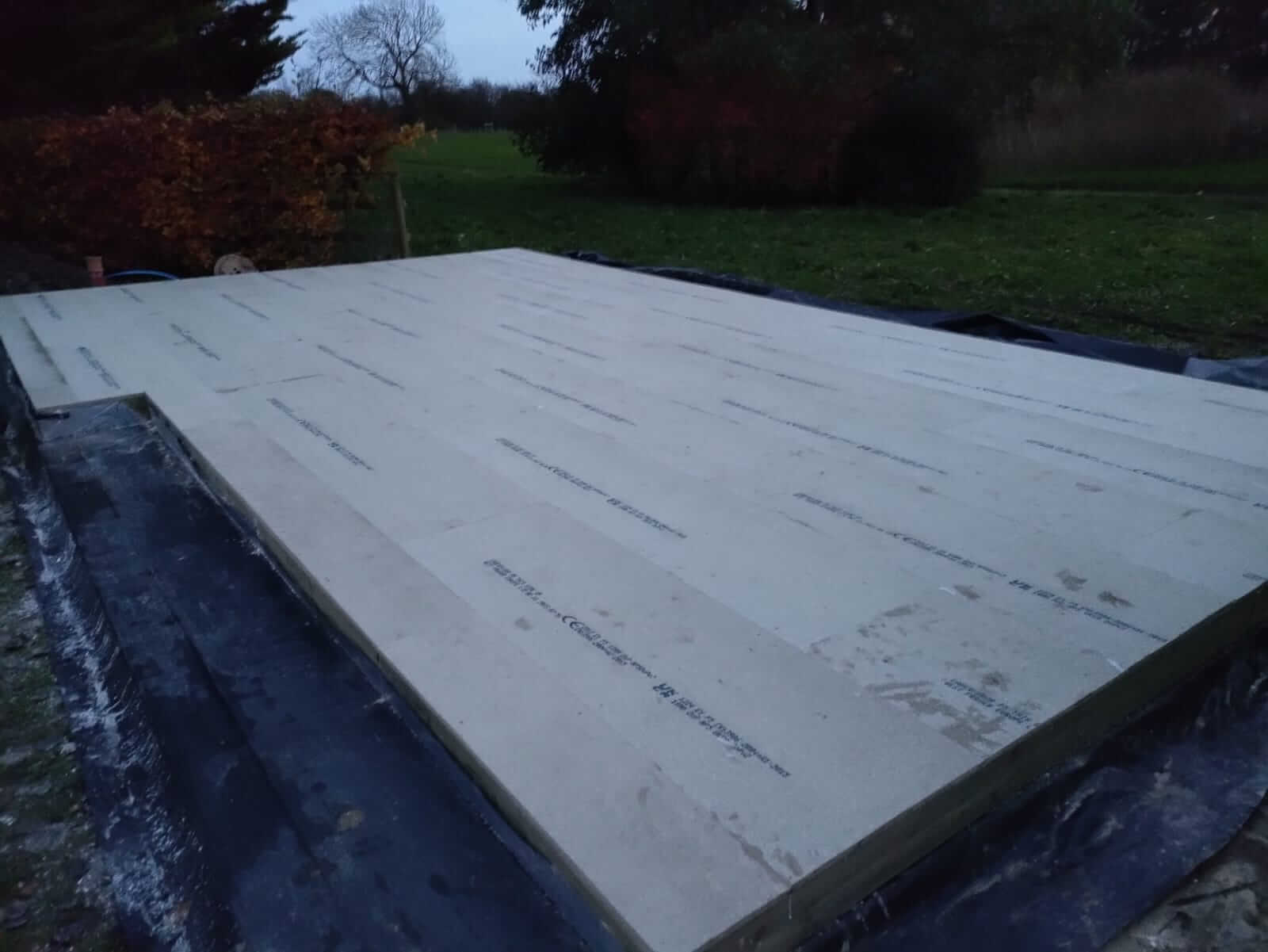
Garden rooms have become increasingly popular as homeowners seek additional living space without the hassle of a traditional home extension. Whether you plan to use your garden room as a home office, gym, studio, or simply a retreat, the foundation you choose plays a crucial role in its durability and stability.
Importance of Proper Foundations
A proper foundation is essential for any garden room to ensure its longevity and structural integrity. Without a solid base, your garden room might suffer from issues such as sinking, shifting, or moisture ingress, leading to costly repairs or even complete reconstruction.
Types of Garden Room Foundations
Concrete Slab
A concrete slab is one of the most common and durable types of foundations for garden rooms. It involves pouring a thick layer of concrete that provides a flat and stable base.
Concrete Piers
Concrete piers involve placing cylindrical columns of concrete into the ground at strategic points to support the structure above. This type is ideal for uneven or sloped terrain.
Timber Frame
Timber frame foundations use treated wood to create a raised platform. This type is quicker to install and can be less invasive to the garden.
Screw Piles
Screw piles are large metal screws that are driven into the ground to support the garden room. They are particularly useful for soft or unstable soils.
Eco-Friendly Options
For those looking to minimise their environmental impact, there are eco-friendly foundation options such as recycled plastic bases or adjustable pedestals made from sustainable materials.
Benefits of Proper Foundations
Structural Stability
A well-laid foundation ensures that your garden room remains level and stable, preventing structural damage over time.
Moisture Prevention
Proper foundations help prevent moisture from seeping into the garden room, protecting against mold and dampness.
Longevity
Investing in a quality foundation can significantly extend the lifespan of your garden room, making it a worthwhile long-term investment.
Value Addition
A garden room with a solid foundation can add value to your property, making it an attractive feature for potential buyers.
Risks of Improper Foundations
Sinking and Shifting
Without a proper foundation, garden rooms are prone to sinking and shifting, which can lead to structural damage and safety hazards.
Moisture Damage
Improper foundations can allow moisture to penetrate the structure, leading to rot, mold, and mildew.
Reduced Lifespan
A garden room without a proper foundation will likely have a shorter lifespan and require more frequent repairs and maintenance.
Steps to Building a Proper Foundation
Site Assessment
Before choosing a foundation type, assess the site conditions, including soil type, slope, and drainage.
Planning and Design
Work with a professional to design a foundation that meets your garden room’s specific requirements and complies with local building regulations.
Excavation
Depending on the foundation type, excavation may be necessary to create a level base or to install piers or screw piles.
Laying the Foundation
Follow the chosen method to lay the foundation, ensuring it is level and stable.
Inspection
Have the foundation inspected to ensure it meets all safety and building standards before proceeding with the construction of the garden room.
Cost Considerations
Material Costs
The cost of materials varies depending on the type of foundation. Concrete and screw piles tend to be more expensive, while timber frames and eco-friendly options might be more budget-friendly.
Labor Costs
Labor costs will depend on the complexity of the foundation and the expertise required. DIY options can save money but may not offer the same level of durability.
Long-Term Savings
Investing in a proper foundation can save money in the long run by reducing the need for repairs and maintenance.
Common Mistakes to Avoid
Inadequate Site Preparation
Failing to properly prepare the site can lead to an unstable foundation.
Skimping on Materials
Using subpar materials can compromise the integrity of the foundation.
Ignoring Building Codes
Not adhering to local building codes can result in fines and necessitate costly modifications.
Poor Drainage Planning
Without proper drainage, water can accumulate around and under the foundation, causing damage.
Environmental Impact
Sustainable Materials
Consider using sustainable materials such as recycled plastic or eco-friendly concrete mixes.
Minimal Excavation
Choose foundation types that require minimal excavation to reduce environmental disruption.
Energy Efficiency
A well-insulated foundation can contribute to the overall energy efficiency of your garden room.
Maintenance of Garden Room Foundations
Regular Inspections
Perform regular inspections to check for any signs of movement or damage.
Moisture Control
Ensure proper drainage around the foundation to prevent moisture buildup.
Addressing Minor Issues Promptly
Fix minor issues as soon as they arise to prevent them from becoming major problems.
FAQs
Do I need a foundation for a small garden room?
Yes, even small garden rooms benefit from a proper foundation to ensure stability and longevity.
Can I build a garden room foundation myself?
While DIY is possible, professional installation is recommended for the best results and compliance with building codes.
How deep should a garden room foundation be?
The depth depends on the soil type and the local climate, but typically ranges from 6 inches to several feet.
What is the best foundation for a garden room on a slope?
Concrete piers or screw piles are often the best options for sloped sites.
How much does it cost to build a garden room foundation?
Costs vary widely based on the type of foundation and local labor rates but can range from a few hundred to several thousand dollars.
Conclusion
Choosing the right foundation for your garden room is crucial for its durability, stability, and overall success. By understanding the different types of foundations, their benefits, and the importance of proper installation, you can ensure that your garden room remains a valuable addition to your home for years to come. Whether you opt for a DIY approach or hire professionals, investing in a proper foundation is a decision that will pay off in the long run.
Ready to transform your outdoor space with a stunning garden room? Ensure your garden room stands the test of time with a solid foundation.
Contact us today to take the first step towards your perfect garden retreat!