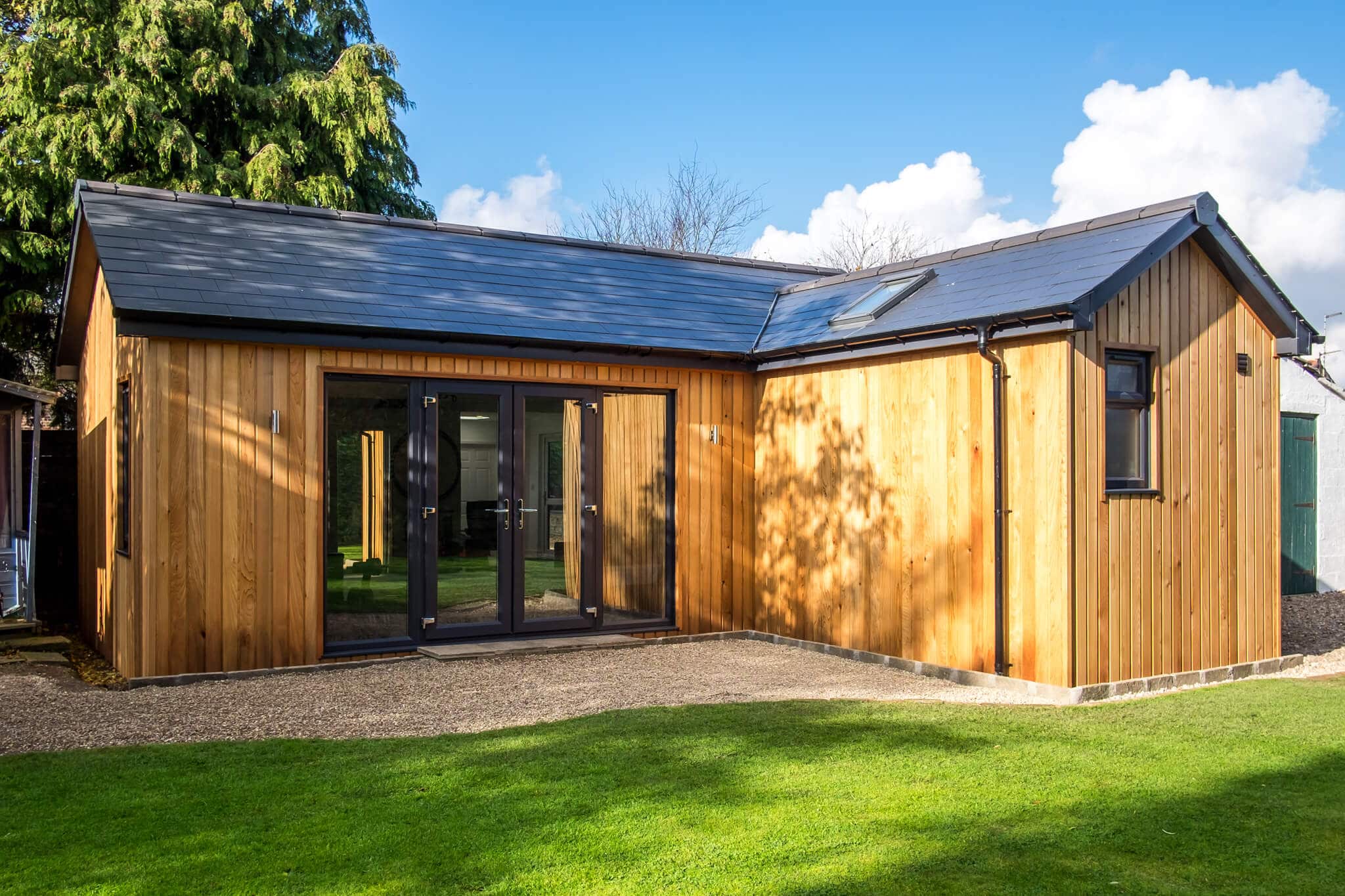
Garden rooms offer a fantastic way to extend your living space without the need for a full home extension. Whether you’re using it as an office, studio, or guest room, there’s one important consideration that’s often overlooked: sustainability.
With growing awareness around climate change and environmental responsibility, more people are now choosing to build garden rooms that are not only stylish and functional, but also kind to the planet. In this post, we’ll explore how to ensure your garden room is built sustainably so it works for both you and the environment.
Why Sustainability Matters in Garden Room Design
A garden room might be small compared to a house, but every element from materials to energy use has an impact on the environment. A sustainably built garden room:
- Uses fewer non-renewable resources
- Produces lower carbon emissions
- Costs less to run in the long term
- Lasts longer with fewer repairs
- Creates a healthier space for you and your family
Sustainability is not just about “going green” it’s about making smart, future-focused choices that benefit your lifestyle and the planet.
Key Steps to a Sustainable Garden Room
Choose Sustainable Materials
The first and most significant way to reduce your environmental impact is to use eco-friendly, responsibly sourced materials. Look out for:
- Recycled or reclaimed materials, such as insulation or cladding
- Durable, long-lasting materials, which reduce the need for repairs and replacements over time
Design for Energy Efficiency
A well-designed garden room should stay warm in the winter and cool in the summer without relying heavily on heating or air conditioning. To achieve this:
- Maximise natural light with large windows and skylights to reduce reliance on electric lighting
- Position your garden room thoughtfully, ideally south-facing, to take advantage of passive solar gain
- Install high-quality insulation in the walls, floor, and roof to prevent heat loss
- Use double or triple glazing to minimise heat transfer
Energy efficiency not only reduces your carbon footprint—it also saves you money on running costs.
Consider Renewable Energy Options
Depending on your location and setup, you may be able to make your garden room even greener by powering it with renewable energy:
- Solar panels on the roof can provide power for lighting, heating, or devices
- Air-source heat pumps can be used for highly efficient, low-carbon heating
- Battery storage allows you to store solar energy for use when the sun isn’t shining
While some of these options involve an upfront cost, they often pay for themselves over time and significantly lower your environmental impact.
Use Eco-Friendly Heating and Cooling
How you heat or cool your garden room has a big effect on its sustainability. Here are a few green heating options to consider:
- Infrared heating panels, which are efficient and low-energy
- Electric underfloor heating with a timer to avoid wasting energy
- Programmable thermostats to regulate temperature and reduce unnecessary energy use
Avoid using gas or paraffin heaters, as they release carbon and moisture into the air.
Plan for Water Management
Sustainable building doesn’t just stop at electricity—water matters too. Consider the following:
- Install a green roof to absorb rainwater and improve insulation
- Use water butts to collect rainwater for garden use
- Ensure proper drainage to prevent water pooling or soil erosion
If your garden room includes a WC or kitchenette, opt for low-flow taps and dual-flush toilets to conserve water.
Minimise Waste and Build Locally
The way your garden room is built also contributes to its environmental impact:
- Choose a local builder or supplier to reduce transport emissions
- Avoid over-ordering materials, and reuse off-cuts where possible
- Recycle site waste responsibly rather than sending it to landfill
Modular or prefabricated garden rooms are often more sustainable, as they create less waste and can be assembled more efficiently.
The Long-Term Benefits of Building Sustainably
Sustainable garden rooms aren’t just better for the environment they’re better for your health, your finances, and your peace of mind. You’ll enjoy:
- Lower energy bills
- Better indoor air quality
- A smaller carbon footprint
- A future-proof space that aligns with growing green building standards
It’s a win-win for your lifestyle and the world around you.
Ready to Build a Garden Room with a Greener Future in Mind?
We specialise in crafting beautifully designed, energy-efficient garden rooms built with sustainability at their core. From eco-friendly materials to efficient heating and insulation, we help you create a space that fits your values and your vision.
Contact us today to discuss your eco-conscious garden room project and receive a free, no-obligation consultation.