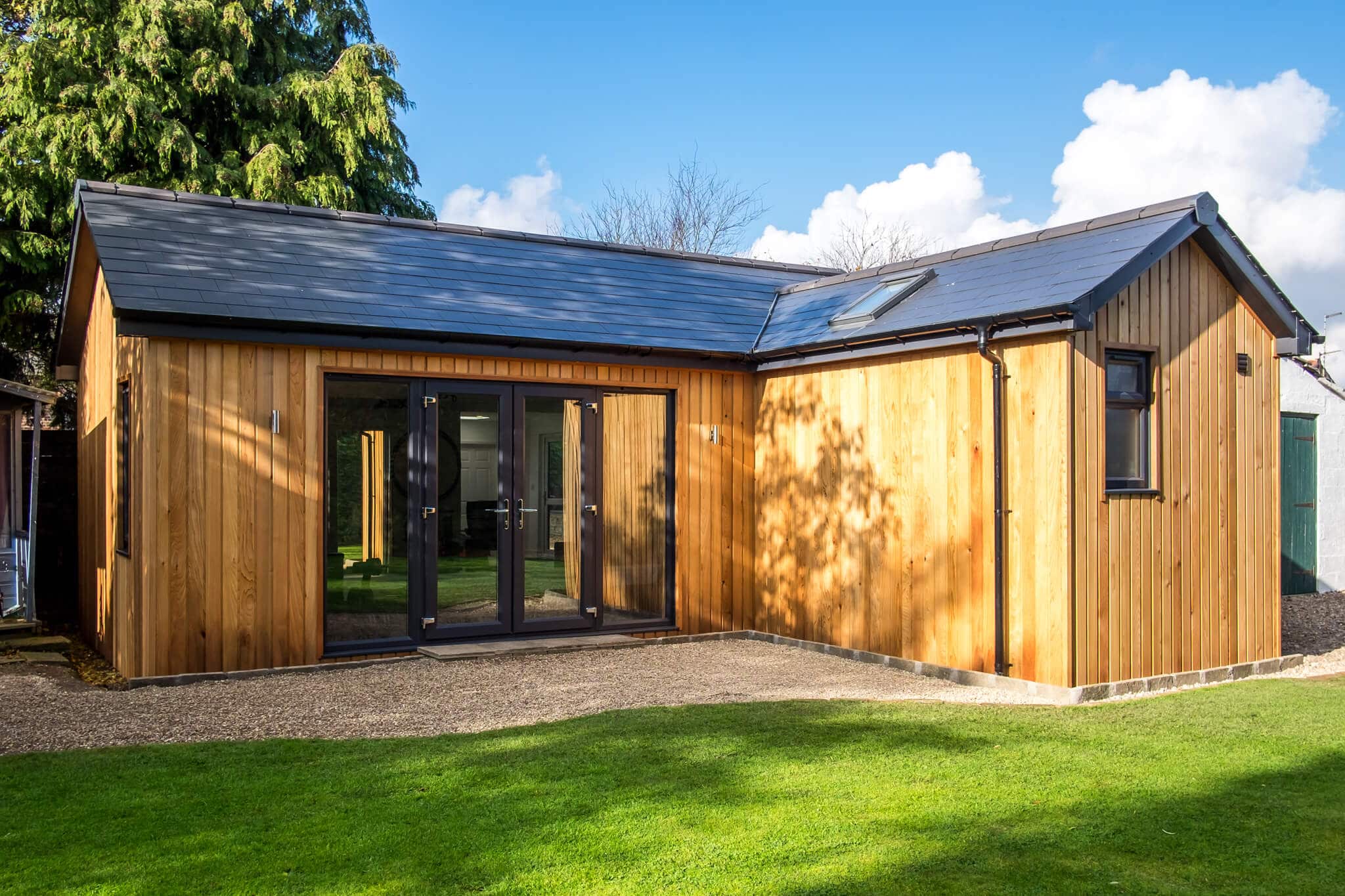
Garden rooms have become an increasingly popular choice for homeowners looking to expand their living space. Whether used as home offices, gyms, or simply a place to relax, garden rooms offer a unique way to bring more functionality and comfort to your garden. However, one of the most common questions homeowners have is whether these rooms can remain warm during the colder months of the year. After all, no one wants to invest in a beautiful garden room only to be left shivering inside when the temperature drops.
In this blog, we’ll explore how garden rooms perform in winter and what you can do to ensure they stay warm and inviting, even on the chilliest days.
Understanding the Structure of a Garden Room
Before we dive into the specifics of heating, it’s important to understand the structure of a typical garden room. These buildings are often made from timber or metal, with high-quality insulation and double-glazed windows. While these materials provide a solid foundation for maintaining a comfortable temperature inside, there are other factors to consider, such as the insulation quality, ventilation, and heating options available.
Garden rooms that are properly insulated can easily retain heat, keeping the inside temperature consistent and cosy, even during winter. Insulation is the key factor in ensuring that the room stays warm during colder months.
Insulation and Energy Efficiency
Insulation is one of the primary considerations when it comes to keeping a garden room warm in winter. Good insulation prevents heat from escaping, keeping the temperature inside stable. Modern garden rooms are built with materials that are specifically designed to offer high thermal efficiency. Insulated walls, roofs, and floors ensure that warmth remains trapped inside, and cold air is kept out.
The type of insulation used will affect how well the room performs in winter. Some of the best options include mineral wool, spray foam, or high-quality rigid insulation boards. Double-glazed windows also contribute significantly to energy efficiency, as they help to prevent heat loss and reduce drafts. Properly sealed doors and windows are essential as well, as gaps can lead to unnecessary heat loss.
To further enhance the energy efficiency of your garden room, you can also opt for underfloor heating, electric radiators, or wood-burning stoves, all of which provide a consistent heat source to make your space even more comfortable.
The Role of Heating Systems
While insulation is vital for keeping your garden room warm, having an effective heating system is essential, especially during particularly cold spells. There are several heating options available to ensure that your garden room remains warm and cosy during winter months. Some of the most popular heating systems for garden rooms include:
-
Electric Radiators: These are one of the most common and affordable options for heating a garden room. Modern electric radiators are highly efficient and can be easily controlled with thermostats, allowing you to set the perfect temperature for your space. They are easy to install and require no plumbing or gas supply, making them a hassle-free choice.
-
Underfloor Heating: Underfloor heating is a great choice for garden rooms because it offers even heat distribution and doesn’t take up valuable wall space. It’s ideal for maintaining a comfortable temperature throughout the room, and the warmth can be felt from the ground up, which is particularly effective in the winter months.
-
Wood-Burning Stoves: For a more rustic or natural feel, a wood-burning stove can add both warmth and character to your garden room. Not only does it provide a steady source of heat, but it also creates a cosy ambiance, making it a perfect addition to a garden room used for relaxation or social gatherings.
-
Air Source Heat Pumps: Air source heat pumps are an eco-friendly way to heat your garden room. They work by extracting heat from the outside air and transferring it inside. These systems are incredibly energy-efficient and can heat your garden room throughout the year, even during the colder months.
Ventilation and Airflow
Although insulation and heating systems are key components in maintaining warmth in your garden room, proper ventilation is just as important. If your garden room is sealed too tightly, it can lead to condensation, which may create a damp environment that could damage the structure or make it uncomfortable to spend time in.
Make sure that your garden room is well-ventilated, with trickle vents in the windows or a mechanical ventilation system if necessary. Good airflow ensures that any moisture in the air is removed, keeping the room comfortable and preventing the build-up of dampness. Proper ventilation also ensures that your heating system operates more efficiently, as the air circulation helps distribute the heat more evenly.
Maximising Heat Retention
To get the most out of your garden room’s heating and insulation, there are a few additional steps you can take to maximise heat retention:
-
Use Thermal Curtains or Blinds: Adding thermal curtains or blinds to your windows can help trap heat inside. These thick coverings prevent heat from escaping through the glass, keeping the room warmer for longer.
-
Rugs and Carpets: Adding rugs or carpets to the floor can help keep the warmth in. Wooden or tiled floors can feel cold during the winter, but rugs can provide an insulating layer to prevent heat loss through the floor.
-
Seal Any Gaps: Check for any gaps or drafts around windows, doors, or the floor and seal them using weather stripping or draft excluders. These simple measures can help prevent cold air from entering the room.
Conclusion: Comfort All Year Round
Garden rooms can certainly be warm and comfortable in winter, provided they are well-insulated and equipped with the right heating system. With the right combination of materials, heating options, and ventilation, your garden room can become a cosy retreat that you can enjoy throughout the year, regardless of the weather outside.
If you’re considering adding a garden room to your property, be sure to invest in high-quality insulation and heating solutions that will keep the room comfortable, even during the coldest months. With a little thought and preparation, your garden room can be a welcoming, warm space all year round.
Contact Us for Your Perfect Garden Room
If you’re interested in creating a warm, functional garden room for your home, get in touch with us today. Our team specialises in designing and building custom garden rooms that suit your needs and ensure comfort throughout the year.
Whether you’re looking for a stylish office, a personal retreat, or an extra living space, we can help bring your vision to life. Contact us now for a consultation and take the first step towards your ideal garden room.