When considering adding extra space to your home, two popular options often come to mind: a garden room and a conservatory. Both can enhance the functionality and aesthetics of your home, but which is the more cost-effective choice?
Understanding Garden Rooms and Conservatories
Garden Rooms
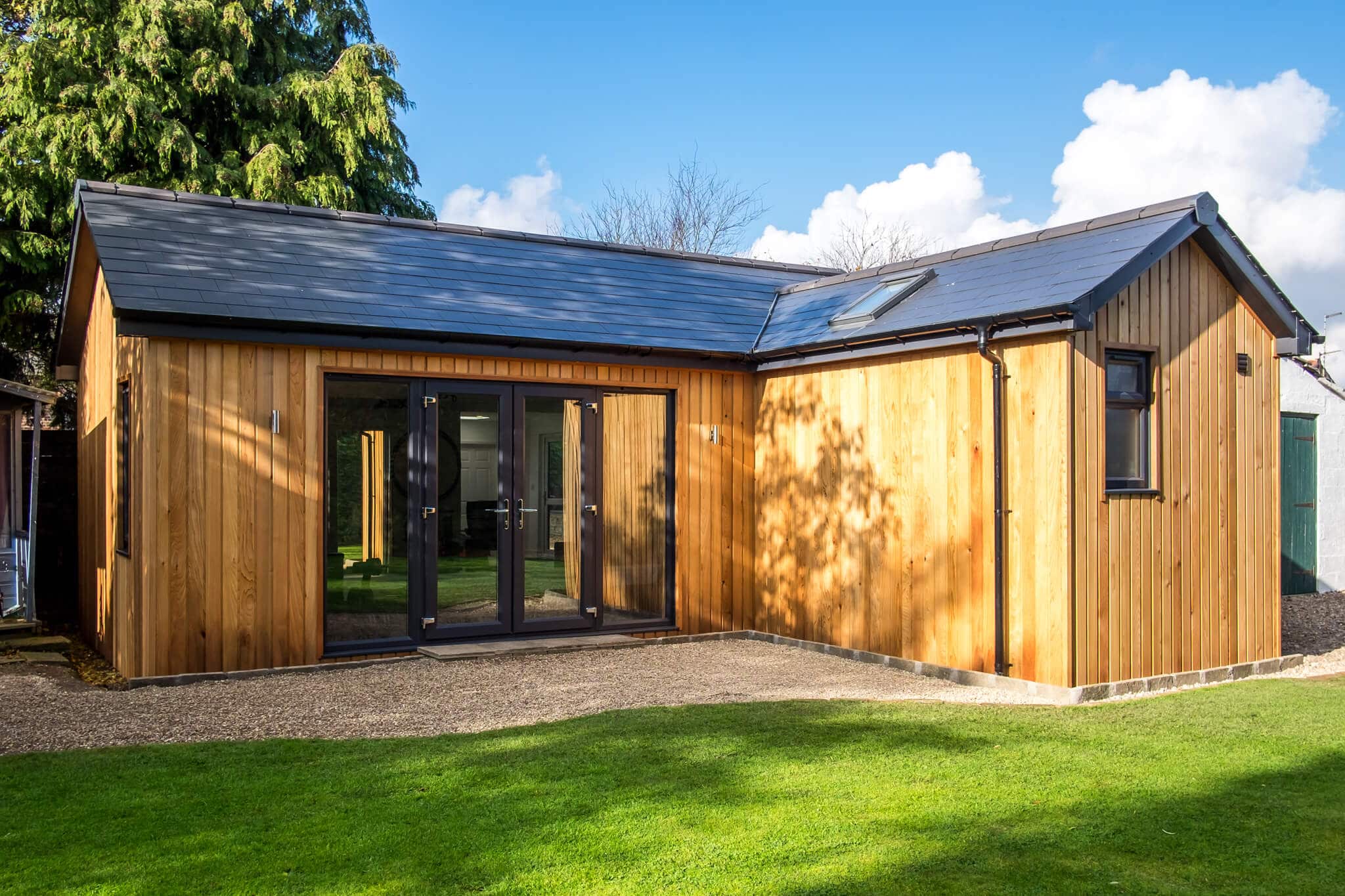
A garden room is a versatile, standalone structure typically situated in the backyard or garden area. It is designed to be used year-round and can serve various purposes such as a home office, gym, studio, or relaxation area. Garden rooms are usually constructed with insulation, double-glazed windows, and robust materials that allow for comfortable use in all seasons.
Conservatories
A conservatory, on the other hand, is an extension attached to the main house, typically built with a substantial amount of glazing to allow natural light to flood the space. Conservatories are often used as additional living areas, dining rooms, or playrooms. They can be heated but tend to be more susceptible to temperature extremes, being too hot in the summer and too cold in the winter without proper climate control.
Initial Construction Costs
The initial cost of constructing a garden room can vary significantly based on the size, materials, and customisation options. On average, a standard garden room can cost between £5,000 to £20,000. This price includes the structure itself, basic insulation, electrical fittings, and a standard finish.
Conservatories tend to be more expensive, primarily due to their connection to the main house, which requires additional construction work to ensure proper integration and stability. The cost of building a conservatory can range from £10,000 to £30,000 or more, depending on size, materials, and the complexity of the design.
Installation and Building Regulations
Garden Rooms
Garden rooms generally benefit from simpler planning requirements compared to conservatories. In many cases, garden rooms fall under permitted development rights, meaning you can construct them without needing planning permission, provided they meet certain criteria (e.g., not exceeding a specific height, not taking up more than a certain percentage of the garden area).
Conservatories
Conservatories, being extensions of the main house, often require planning permission, especially if they exceed a certain size or if your property is listed or in a conservation area. Additionally, conservatories must comply with building regulations, which can add to the complexity and cost of the project.
Long-term Costs and Maintenance
Garden Rooms
Once constructed, garden rooms tend to have lower ongoing costs. Their standalone nature means they are less likely to impact your home’s heating and cooling bills significantly. Maintenance typically involves occasional cleaning and inspections to ensure the integrity of the structure.
Conservatories
Conservatories can incur higher long-term costs due to their integration with the main house. They can affect the overall energy efficiency of your home, leading to increased heating and cooling expenses. Additionally, the extensive glazing may require more frequent cleaning and maintenance to prevent issues such as condensation, leaks, and wear and tear on the seals and frames.
Versatility and Usage
Garden Rooms
Garden rooms offer significant versatility. They can be customised to fit various functions, and their separation from the main house provides a distinct, quiet space. This makes them ideal for uses that require concentration and minimal distractions, such as home offices or studios.
Conservatories
Conservatories, being part of the main house, provide additional living space that is easily accessible from the main areas. They are perfect for activities that benefit from being close to the rest of the home, such as dining, entertaining, or a play area for children.
Value Addition to Property
Both garden rooms and conservatories can add value to your property, but in different ways. Garden rooms offer a unique selling point, particularly for buyers looking for additional, flexible living spaces. Conservatories, being part of the main house, can enhance the living space and make the home feel larger and more connected.
Conclusion
When it comes to cost-effectiveness, a garden room generally emerges as the cheaper option compared to a conservatory. The initial construction costs, simpler installation process, and lower long-term maintenance make garden rooms a more budget-friendly choice. However, the decision ultimately depends on your specific needs, preferences, and how you intend to use the space. If you seek a versatile, standalone structure with lower costs, a garden room is likely the best choice. If you prefer an integrated extension that enhances your living space, a conservatory might be worth the extra investment.
Transform Your Space with a Stunning Garden Room Today!
Ready to enhance your home with a versatile and cost-effective solution? A garden room offers the perfect blend of functionality and style, providing you with a dedicated space for work, relaxation, or hobbies, all while adding value to your property. Don’t wait to create the perfect escape in your own backyard.
Contact us today to get a free quote and start designing your dream garden room!